


-
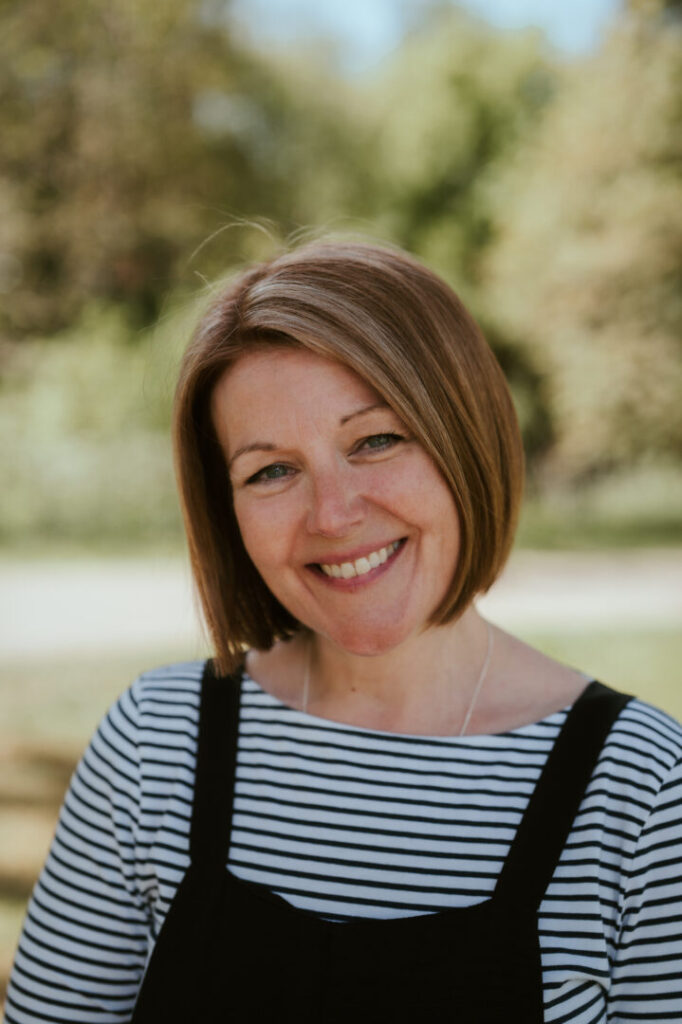
Visual Communication as a Neurodivergent Toolkint: Empowering Understanding, Independence and Confidence
Lisa Pinkerton
Widgit Software
Lisa will explore how inclusive communication empowers neurodivergent learners to thrive in education and beyond. She will demonstrate how Widgit can become a practical, flexible part of a personal toolkit — supporting clarity, reducing cognitive load and building independence. Through consistent visual support using Widgit Symbols and tools, learners can strengthen understanding, express themselves with confidence and navigate daily demands more easily.
For many neurodivergent individuals, including those with communication differences, symbol support is not just helpful but transformative — creating accessible environments where strengths are recognised and every learner can participate and succeed.
-

Flourishing at Work: Insights from a Swedish Study on Neurodivergent Working Lives
Jessica Vannoorenberghe
University of Gävle, Sweden
What factors contribute to flourishing at work, as a neurodivergent adult, and what factors support health and wellbeing in everyday working life? This seminar draws on a qualitative Swedish research study exploring the working lives of autistic adults, with a particular focus on factors that participants themselves identify as supporting their health and wellbeing at work. Rather than focusing on deficits or individual “coping,” the study highlights how organisational practices, structure, predictability, flexibility, relationships, and meaningful work shape everyday experiences. While the study is situated within a Swedish context, the themes resonate across national and organisational settings. The seminar is relevant for neurodivergent people, employers, practitioners, researchers, and anyone interested in creating working environments that are genuinely inclusive, and that recognise and celebrate difference as a strength.
-

Connect and Co-Regulate: Supporting Big Emotions and Why That Matters
Jill Dykes
ADHD Scotland
ADHD is such a badly named condition. It reflects the difficulties we have with regulating our attention, focus, and ability to see through task. It doesn't speak though to the intense emotions that come with ADHD and the huge challenges we have in regulating those. We feel everything bigger and harder than our neurotypical friends and family, and are often accused of over-reacting or being too sensitive at best, and punished for our emotional reactions or attempts to regulate ourselves at worst.Aimed at parents, educators, HR, line managers, and frontline service staff, this session explores the emotional dysregulation side of ADHD, and shares key insights into how to support someone with ADHD when they are experiencing intense emotions.Jill Dykes is founder and Chief Executive of ADHD Scotland, a new charitable organisation that aims to celebrate and support people with ADHD living in Scotland. She has ADHD and is parent to 2 AuDHD children.
-

Building a Career with Dyslexia in a Profession Built on Paperwork and Precision
Ryan Macdonald
Ryan MacDonald is a military veteran and former Inspector with Police Scotland who built a 30-year policing career in systems defined by evidential accuracy, legal scrutiny and meticulous paperwork — all while navigating dyslexia. In this honest and practical session, Ryan shares how he rose through the ranks in a profession built on written precision, the unseen pressures of masking and overcompensating, and how dyslexia shaped his leadership strengths. He challenges organisations to rethink capability and encourages neurodivergent professionals to recognise the power in thinking differently.
-
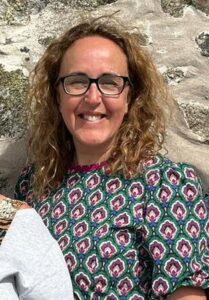 Michelle Blake; The Neurodivergent Counsellor; What is it Like to Parent Neurodivergent Children While Navigating Your Own Neurodivergence?
-

-

Finding Your Orbit: Understanding Yourself Through a Lived Neurodivergent Lens
Darren Glencross
Beacon Within
Many neurodivergent people grow up feeling different without fully understanding why. In this honest and reflective talk, Darren Glencross shares his late diagnosis journey and introduces Inner Orbit, a lived-experience framework designed to help people better understand themselves. Rather than focusing on deficits, this session explores identity, emotional intensity, burnout and self-acceptance through a practical and human lens. Darren offers a grounded perspective for neurodivergent individuals, families and professionals who want clearer language, deeper self-understanding and a more compassionate way of navigating life.
-

-
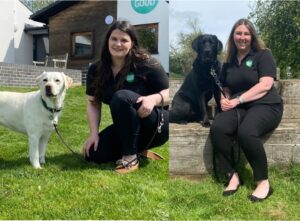 Dogs For Good; A History of the Service, What We Do and Who does the Service Benefit.
-
 Bryony Bean; Taking Your Own Advice As A Neurodivergent Student
-
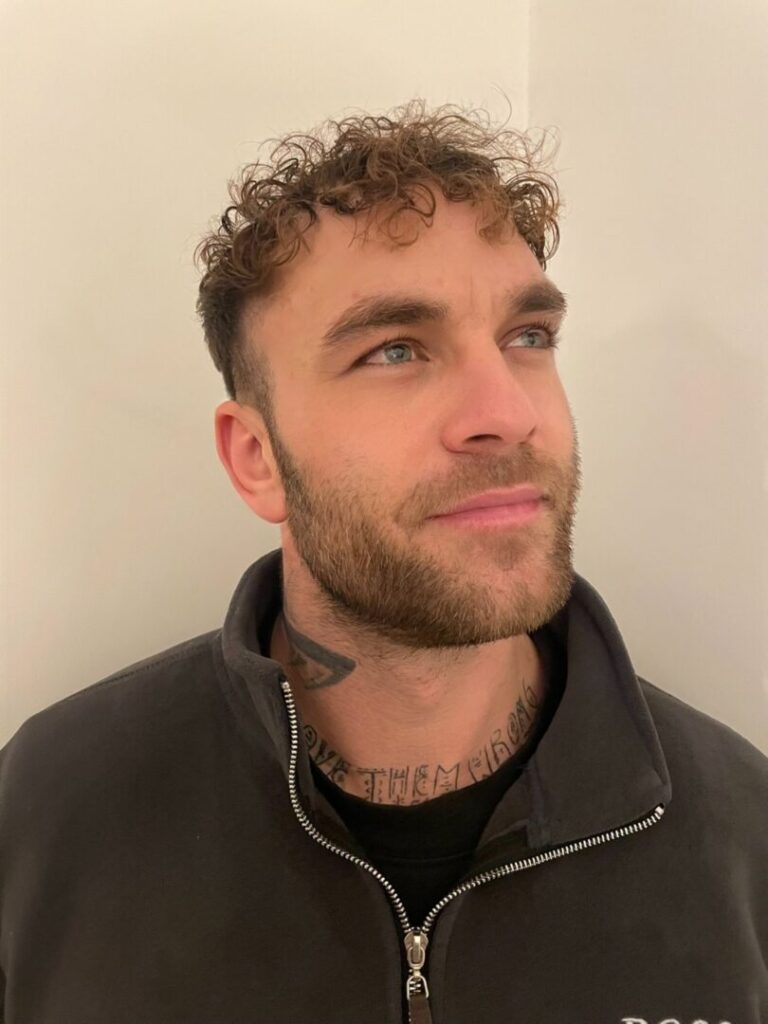
My Story
Ashley Jones
Built Different For Business
Living with ADHD and been diagnosed at the age of 6, has always meant thinking differently, which, for a long time, felt like a hurdle. School was a whirlwind of distractions, and life was a constant struggle. Bad decisions and trying to fit in, However, when I decided to start my own business 4 years ago , I realised my unique perspective was actually an asset. My creativity and energy helped me problem-solve and innovate in ways others didn’t. While organisation and life with ADHD can still be challenging, I’ve learnt to embrace routines and tools that keep me on track. Building a business as someone with ADHD isn’t easy, but it’s taught me resilience and the value of owning my differences.
-
 Lee Mayes; Inside Our Dyslexic Minds
-
-
-
-

-
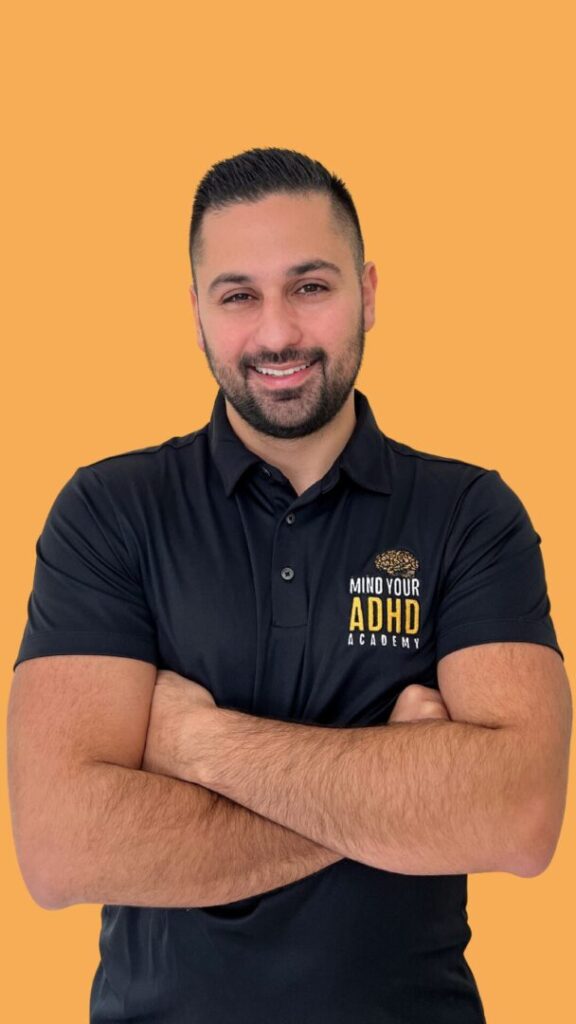
Stop Suffering with ADHD - Start Mastering It
George Georgiou
Mind Your ADHD
This talk is for the professional, business owner, engineer, or high-achiever who looks successful on the outside but feels exhausted, inconsistent, or at war with their own mind.
For the first time, George, the founder of the worldwide recognised and accredited Mind Your ADHD Academy shares how ADHD nearly cost him everything, including his health, future family, and sense of self worth and how rewiring subconscious patterns changed it all.
Attendees leave with a clear three-step framework to eliminate daily ADHD struggles, regain emotional control and focus, and finally turn ADHD into an effortless advantage in life, career, and business.
-

Thinking About Thinking: Using Metacognition to Support Regulation and Self-Advocacy
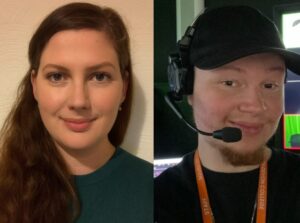
Maddi and Justine
Onyx Therapy
This seminar explores metacognition — the ability to notice, understand, and reflect on our own thinking, emotions, and bodily states — and why it is a foundational skill for emotional regulation, executive functioning, and self-advocacy.Led by clinicians from Onyx Therapy, this session will break down what metacognition really is (beyond buzzwords), why it matters, and how it can be taught explicitly and safely. We will explore how developing metacognitive awareness helps people recognise early signs of dysregulation, understand what supports they need, and communicate these needs with confidence — rather than relying on crisis-based responses.The seminar will include practical, neuroaffirming strategies that can be used in classrooms, homes, ARPs, and EOTAS contexts. Attendees will also be introduced to Onyx Therapy’s metacognition-focused resources, designed to support reflection, regulation, and self-advocacy in ways that are accessible, strengths-based, and respectful of neurodivergent experiences.
-
-

Beyond the Stereotype; Recognising Subtle and Masked Neurodivergent Presentations
Dr Zoe McGovern & Dr Jessica Donohoe
Autism Assessment Hub
This session explores best practices in the assessment and identification of neurodivergence in individuals whose presentations may not align with conventional or stereotypical profiles. Not everyone with autism or ADHD fits the well-known stereotypes. Some individuals; especially girls, women, and those who internalise their difficulties can go unnoticed for years, often because they work hard to mask their struggles or present in less obvious ways. This session brings together clinical best practice and real-world insight to explore how neurodivergent traits can be hidden or misunderstood. We’ll look at how masking, gender, mental health and internal coping styles can shape how autism and ADHD are expressed and why these differences matter when it comes to recognition, diagnosis, and support. Whether you’re a clinician involved in assessments or a family member supporting someone who may be neurodivergent, this session will help you understand what subtle or non-stereotypical neurodivergent presentations can look like, why some individuals are missed, misdiagnosed, or misunderstood and how we can improve assessment, communication, and support for those who don’t 'fit the mould'.
-

No Budget? No Problem! Everyday Tech Tips for Neurodivergent Learners
Rory Matthews
Booost Education
Who says you need fancy software to study smarter?
From YouTube to ChatGPT, this session explores how everyday (and free!) tech can support focus, memory, and motivation — especially for neurodivergent minds.
Don't miss this informative session from Booost Education on technology for neurodivergent minds.
-

-
Supporting Neurodivergent Individuals at Work and in Life: Executive Functions in Actio
Helen Rees
Neuroble
Executive Function (EF) challenges are a key, but often invisible barrier faced by many neurodivergent adults, impacting wellbeing, productivity, and inclusion in workplaces, businesses, and daily life. In this session, Helen Rees, founder of Neuroble, explores how strengths-based support can empower neurodivergent individuals to thrive.
Drawing on both lived experience and professional coaching expertise, Helen will share practical, brain-friendly strategies that individuals, professionals, and organisations can use to better support EF needs - helping to create environments where neurodivergent people can truly flourish.
-
Inclusive Education and Support for Neurodivergent Learners
Cathy Wassell
Autistic Girls Network
This presentation provides an overview of creating truly inclusive educational environments where neurodivergent learners can flourish. We'll explore key principles of neurodiversity-affirming practice, moving beyond awareness to action.
The session will emphasise the importance of understanding individual strengths, fostering positive learning identities, and building collaborative partnerships between educators, families, and support professionals.
We will also give practical examples of how these principles are applied within The Haven, an online school designed specifically for neurodivergent learners.
-

-
After-School Meltdowns to Moments of Connection
Amy Dalwood-Fairbanks
Magic Minds Hypnotherapy
Visit websiteIn this seminar, Amy from Magic Minds Family Hypnotherapy explores the common experience of after-school meltdowns in neurodivergent children and how to respond with calm and compassion. She explains the underlying causes of these emotional explosions, and highlights the vital role of co-regulation to help the child regain control. Amy introduces the After-School Meltdown Toolkit, a set of simple, soothing tools designed for both parents and children to use in these challenging moments. With a focus on hypnotherapy, she demonstrates how brief, calming techniques can support both emotional regulation and meaningful connection. Parents will leave with practical strategies and a hopeful message: by being present and regulated themselves, they can transform meltdowns into moments of connection.
-

-

-

-
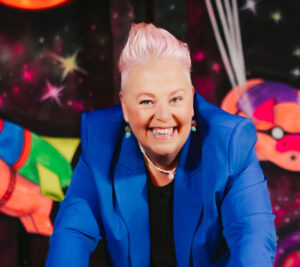
3 Step Reset
Greer Jones
The Unfinished Idea
Visit websiteWhen dysregulation hits, a child melts down, your brain blanks, or your body goes into fight, flight, or freeze. This seminar is not about fixing everything. It is about finding your footing. Greer Jones shares a simple 3-step reset you can use in real time to move from overwhelmed to steadier. You will learn how to spot early signs, downshift your nervous system, and choose a next step that protects connection, safety, and dignity. No perfect calm required, just a pathway back. Designed for parents raising neurodivergent children. You will leave with simple phrases to use and a take-home reset prompt you can screenshot.
-
-

-

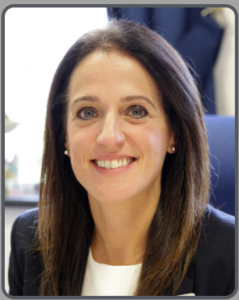
Who are the National Neurodivergence Team and What do they do?
Neurodivergence Wales
Visit websiteThe National Neurodivergence Team is funded by Welsh Government to help improve the lives of neurodivergent people and their families across Wales. They do this in a number of ways – through co-produced training and resources, practice sharing and promoting the needs of neurodivergent people.
This short presentation will outline the work of the Team and some of the bilingual, free-to-access resources that are available on their website
(www.NeurodivergenceWales.org)
-
-

-

-

My Life as a Neurodivergent Woman
Charis Hawkley
Dyspraxia Magazine
Visit websiteI am dyslexic, dyspraxic and autistic and will be talking about my experiences, and how these conditions affect my daily life, and in my sport, as well as the difference it makes to be a woman with these conditions (such as the diagnostics being framed around males, and the different ways the conditions present in women).
I will be discussing some of my work for the community, such as my journalism and work with various groups.
-

-

Understanding Dyspraxia: A Practical Guide for Educators, Employers, and Parents
Krystal-Bella Shaw
Dyspraxia Magazine
Visit websiteThis talk provides a comprehensive guide to understanding and supporting dyspraxic individuals, designed for educators, employers, parents, and caregivers. Learn practical strategies to foster inclusivity at school, work, and home, alongside insights into the lived experiences of dyspraxic individuals. Explore how accurate representation and advocacy can make a meaningful difference.
-
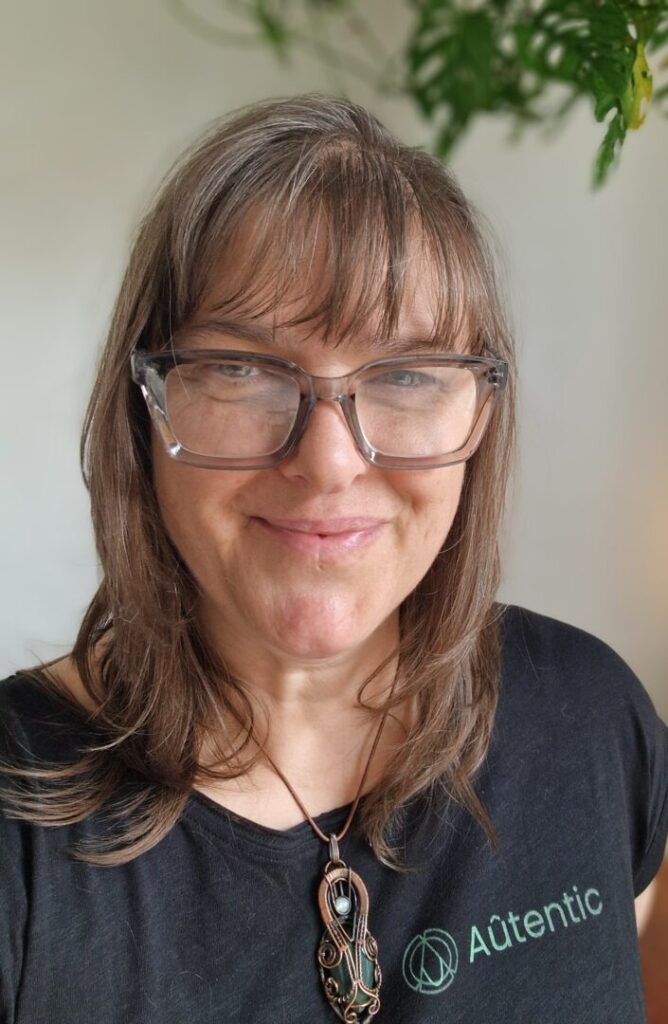
Can we ‘universally design’ and still be neurodivergent-affirming?
Catherine Leggett
Autentic
Visit websiteThis seminar will be interesting, and useful, for service providers, employers, HR professionals and careers professionals and is packed with practical resources, tools and tips. Catherine is an autistic/dyslexic/dyscalculaic/dysgraphic time served professional and practitioner, having supported a diverse community of autistic individuals in their career, working with the two top autism charities in the UK. You will learn how competing neurodivergent needs can be managed, to better achieve neurodivergent affirming services, organisations and workplaces through robust, and best practice universal design
-

-
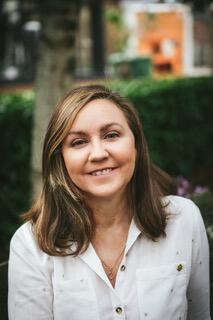
Building Resilience with Diet and Nutrition for Neurodivergence
Sarah Osborne. BA(Hons) mBANT rCNHC
SO Nutrition
Visit websiteThis empowering seminar offers valuable insights, tools, and actionable strategies to enhance resilience through balanced eating while respecting your unique needs. Led by a nutritionist and emotional eating practitioner who runs a neurodivergent nutrition clinic, this seminar will present the latest evidence-based approaches for fostering a healthier, more resilient relationship with food.
-

-
 Stephanie Jones; HCB Solicitors; How to Secure an IDP; Information on EHCPs, IDPs & How To Secure Funding For Your Child With SENs
-

-

-
-

-

-


