


After high demand we’re excited to announce a brand new show coming to Scotland in 2026! We’re looking forward to welcoming visitors and exhibitors from Scotland and nearby for an unforgettable day full of information, connection, advice and support.
Coming to Scotland’s National Stadium; Hampden Park, the show will mark the first of it’s kind in Scotland.
🗓 Date: 10th September 2027 Show Hours: 09:00 AM – 4:00 PM
Feel free to arrive at any time during the day — there’s no need to be there right at the start.
***DOORS OPEN AT 9:45AM FOR ACCESS TO SEMINARS STARTING AT 10AM***
The 2026 show will feature an exhibition floor packed with organisations offering advice, support, products, and services tailored to the neurodivergent community. Plus, enjoy a full schedule of insightful seminars running throughout the day across three dedicated seminar rooms.
Features; Quiet Room, Exhibition Café, Breakout Areas, Unlimited Seminars.
Parking is onsite and is free – no need to book parking.

Seminar Room 1
10 seminars-
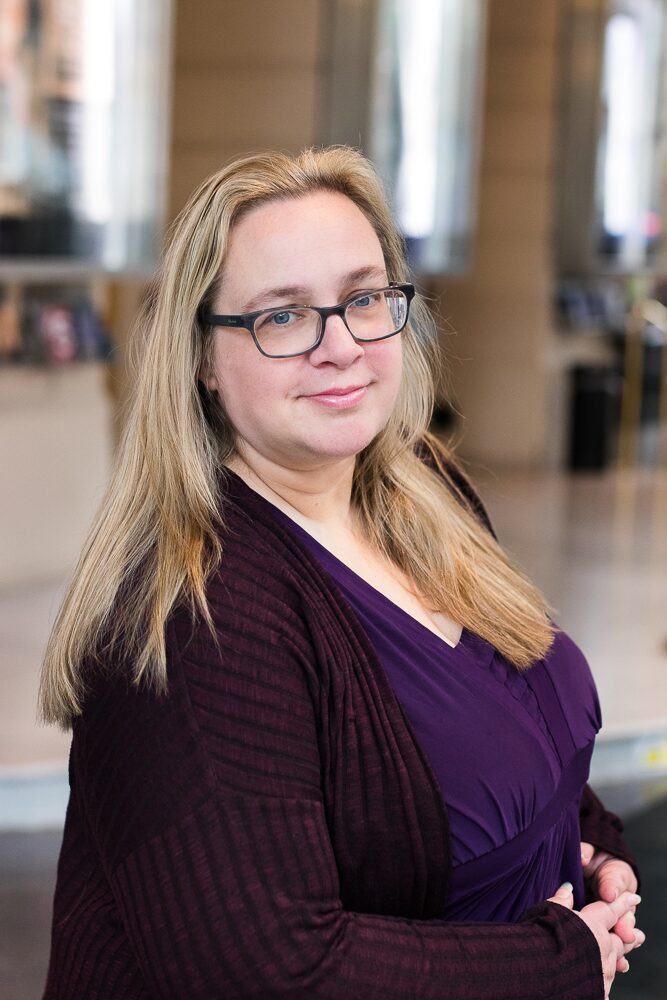
Inclusive Education and Support for Neurodivergent Learners
Cathy Wassell
The Haven by Autistic Girls Network
This presentation provides an overview of creating truly inclusive educational environments where neurodivergent learners can flourish. We'll explore key principles of neurodiversity-affirming practice, moving beyond awareness to action.
The session will emphasise the importance of understanding individual strengths, fostering positive learning identities, and building collaborative partnerships between educators, families, and support professionals.
We will also give practical examples of how these principles are applied within The Haven, an online school designed specifically for neurodivergent learners.
-

Behind the Absence: Understanding and Supporting EBSA
Matt Taylor
Deputy Assessor Manager, Access2Learn
This presentation explores Emotional Based School Avoidance (EBSA), unpacking what it is, why it happens, and how we can respond more effectively. It considers the emotional and traumatic experiences that can make attending school feel overwhelming, with particular attention to the impact on secondary-aged and neurodivergent learners. The session also highlights practical, EBSA-focused strategies that can improve outcomes for pupils and create more inclusive support systems. Finally, it introduces how Access2Learn can help through tailored one-to-one or group provision, delivered online or in person by qualified practitioners using integrated educational, coaching, and counselling-informed approaches.
-
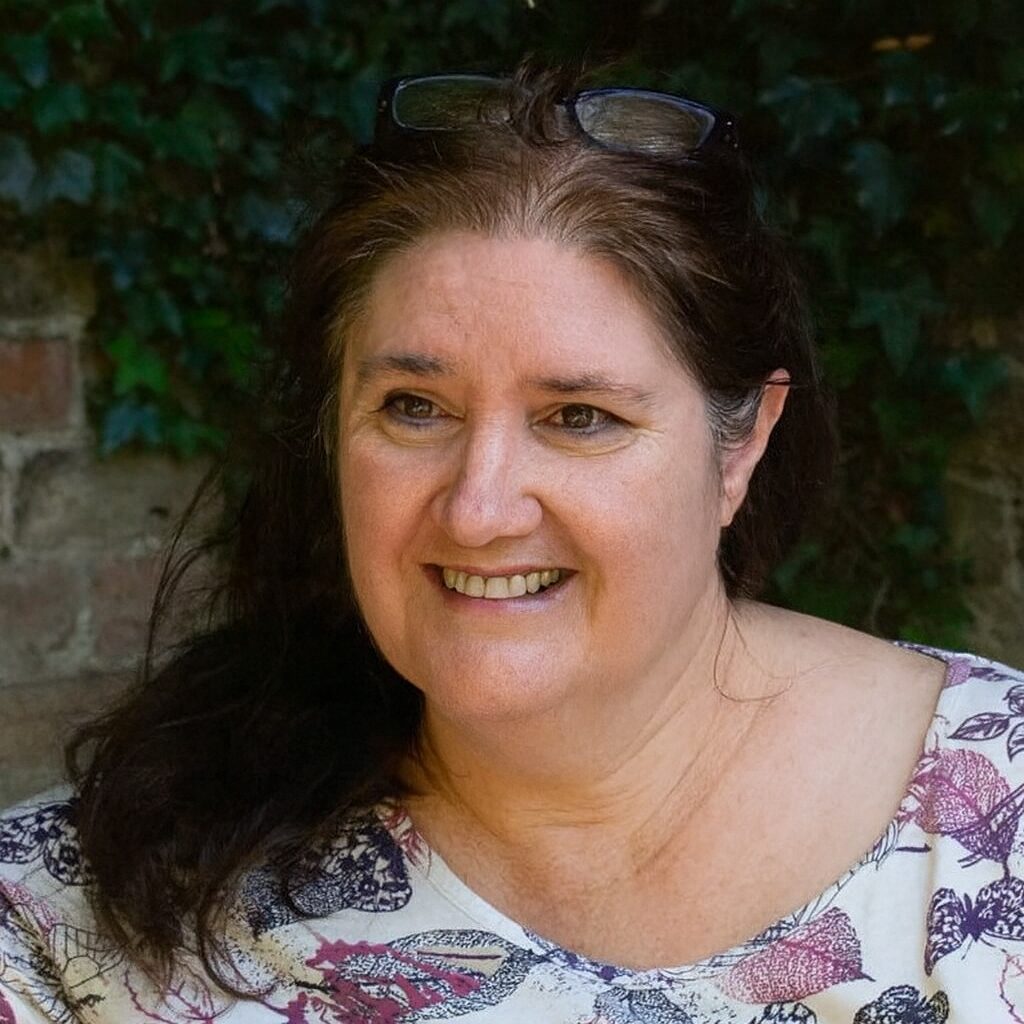
Self-harming behaviour and suicidal thoughts are considered extreme but how come we get there?
Lavinia Dowling
The M Word CiC
Let me talk you through stages as an experienced Mental Health nurse well versed in the challenges and supporting many clients every day. Mental health is still heavily stigmatised but I am here to help you consider how we all need to be able to read our own mental health and consider what we need to do to help reduce either self-harming behaviour or suicidal thoughts. This is a thought provoking journey for many to consider either for themselves or for close relatives and friends who are deemed vulnerable. It is not meant to scare but rather be informative and generate thought provoking understandings to help you more. Plus, whilst many people do not wish to talk about it, I do, as if we talk about it, it is more out in the open and less scary.
-

No Budget? No Problem! Everyday Tech Tips for Neurodivergent Learners
Rory Matthews
Booost Education
Who says you need fancy software to study smarter?
From YouTube to ChatGPT, this session explores how everyday (and free!) tech can support focus, memory, and motivation — especially for neurodivergent minds.
Don't miss this informative session from Booost Education on technology for neurodivergent minds.
-
Building Resilience with Diet and Nutrition for Neurodivergence
Sarah Osborne, BA(Hons) mBANT rCNHC
SO Nutrition
This empowering seminar offers valuable insights, tools, and actionable strategies to enhance resilience through balanced eating while respecting your unique needs. Led by a nutritionist and emotional eating practitioner who runs a neurodivergent nutrition clinic, this seminar will present the latest evidence-based approaches for fostering a healthier, more resilient relationship with food.
-
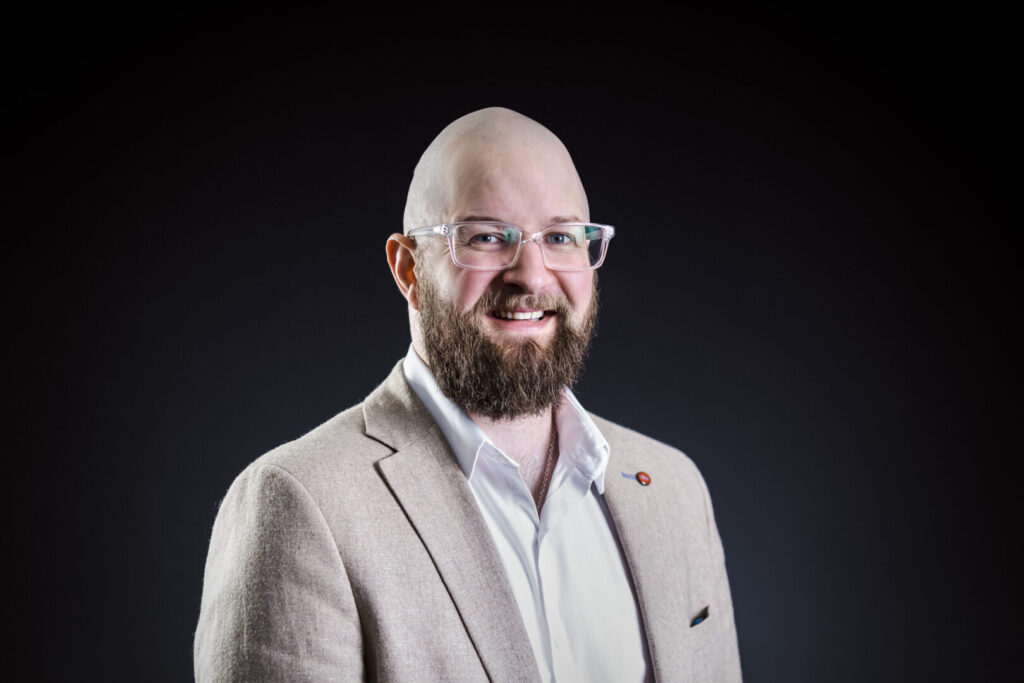
Unlocking Potential: The Benefits of Personalised Assistive Technology Training
Thomas Jackson
Remtek Workplace
In today's rapidly evolving technological landscape, personalised assistive technology training has become a cornerstone for enhancing individual capabilities and fostering inclusive environments.
This seminar will explore the transformative impact of tailored training programmes designed to meet the unique needs of each user.
-

Stop Suffering With ADHD. Start Mastering It
George Georgiou
Mind Your ADHD
This talk is for the professional, business owner, engineer, or high-achiever who looks successful on the outside but feels exhausted, inconsistent, or at war with their own mind.
For the first time, George, the founder of the worldwide recognised and accredited Mind Your ADHD Academy shares how ADHD nearly cost him everything, including his health, future family, and sense of self worth and how rewiring subconscious patterns changed it all.
Attendees leave with a clear three-step framework to eliminate daily ADHD struggles, regain emotional control and focus, and finally turn ADHD into an effortless advantage in life, career, and business.
-
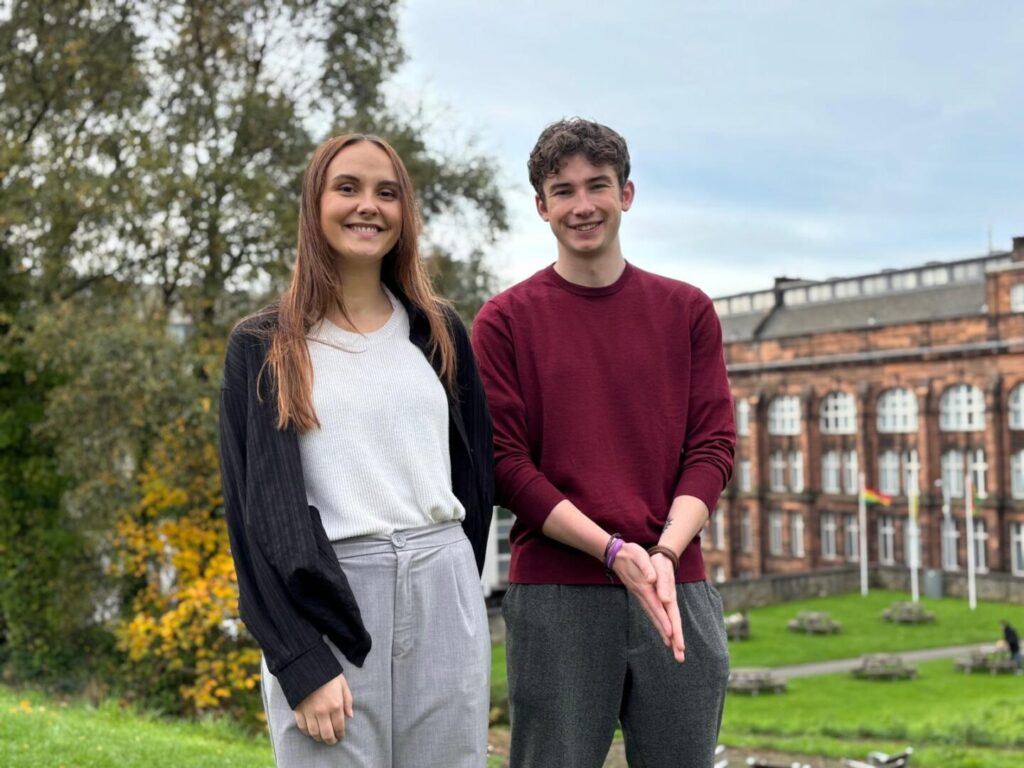
Inclusive Design Through Co-Development
Daniel Brown and Alison Stobie
Neurodapt
Drawing on our own lived experience, this talk will explore the journey of developing our executive function support tool ahead of its planned launch next year, and how co-development with the people we’re designing for has shaped the product along the way. We’ll share what we’ve learned along the way and invite others to help shape the final stages of development.
-
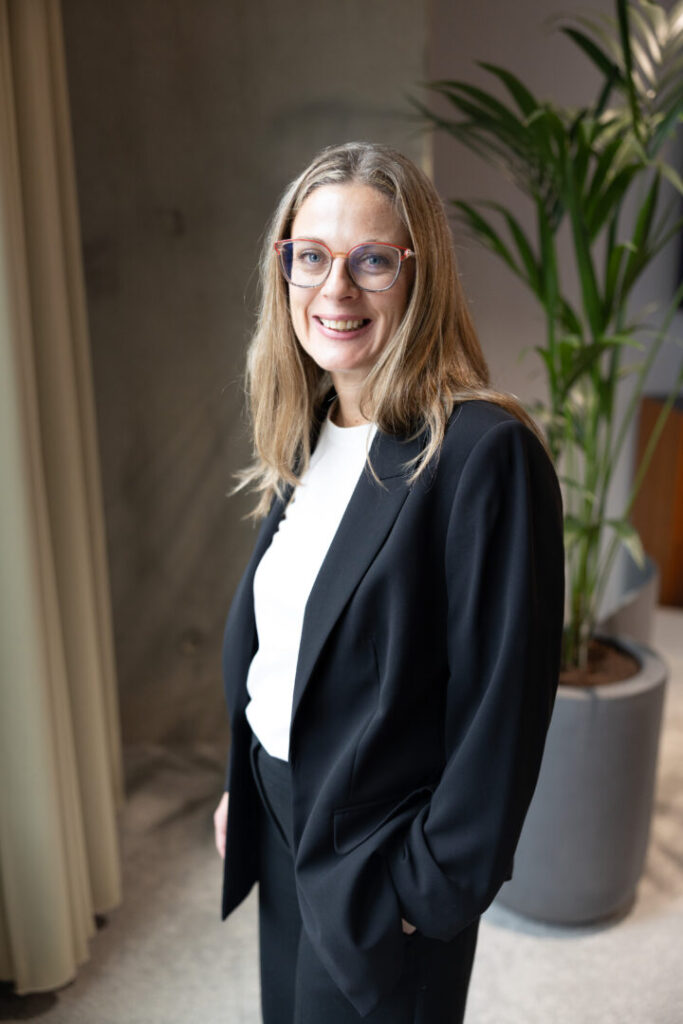
Learning Without Limits: Supporting Neurodiverse Students Through Flexible Remote Study
Lindsay Wilson & David Johnstone
The Open University Scotland
Remote learning offers significant opportunities to reduce barriers and enable neurodiverse students to thrive. This seminar will explore how flexible delivery can help create equitable educational experiences that recognise and support diverse ways of learning. Drawing on practical examples and student experiences, we will examine how online learning environments can support individual learning preferences, improve accessibility, increase autonomy, and create more inclusive pathways to academic success
-
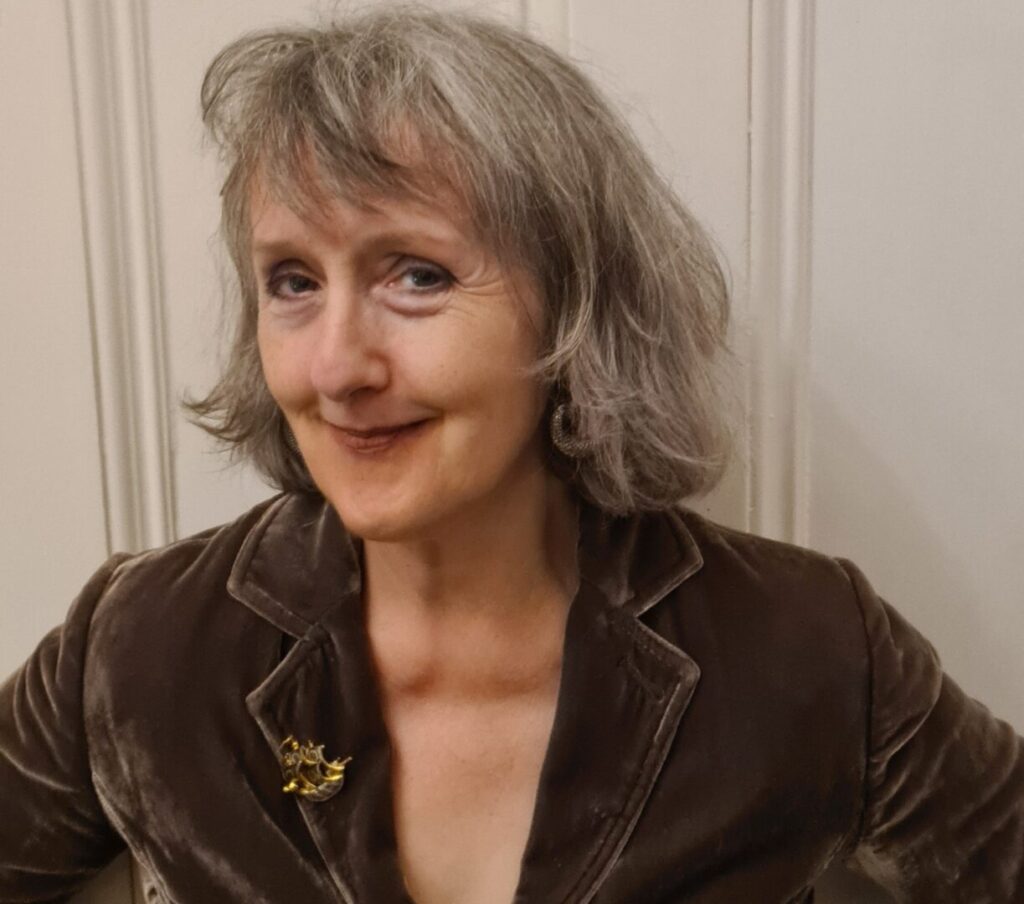
The Missing Piece in Scotland’s ADHD Support: Community
Carol Stobie
Procrastination Station
We need connection. ADHD diagnosis and treatment are almost unattainable, leaving many isolated and desperate.In this interactive, honest seminar, Carol Stobie of Procrastination Station CIC - adult learning specialist, late-discovering ADHDer, AKA cartoonist ‘Chaotic Carol’- shares a different approach.Scotland’s longest-established ADHD social enterprise offers meet-ups (walks and coffee), affordable in-person and online courses, 1:1 and peer coaching - rooted in Scottish experience.Carol draws on decades in adult education and community engagement to show why connection, compassion and practical learning together can be transformative and empowering.Ever felt ADHD support was missing something? This conversation might explain what!
Seminar Room 2
11 seminars-
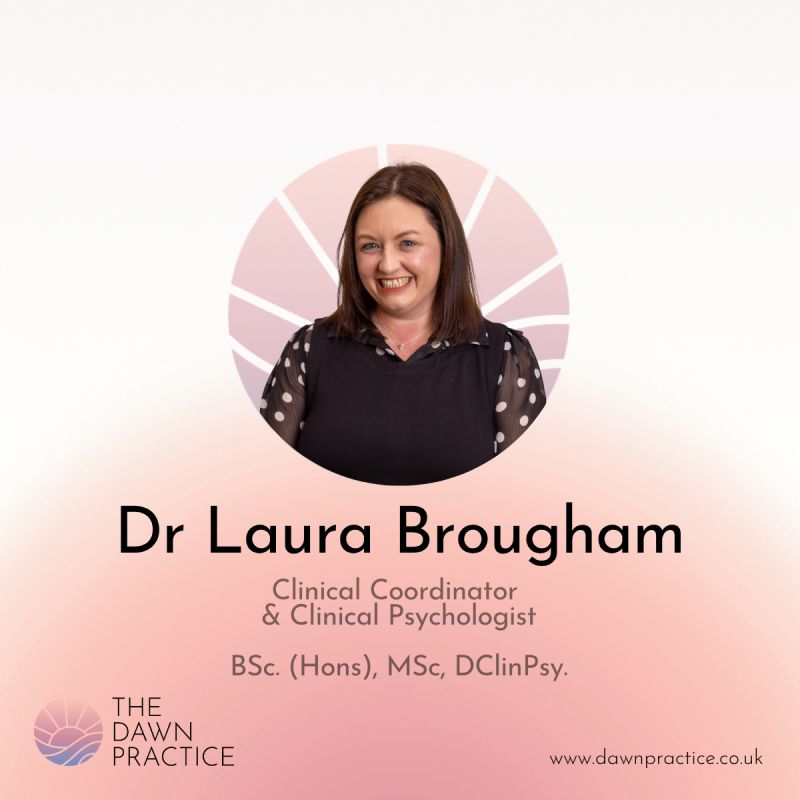
Neurodivergent Burnout in Adults
Dr Laura Brougham
Clinical Psychologist, The Dawn Practise
Managing neurodivergent burnout in adulthood requires a neuroaffirmative approach that recognises difference rather than deficit. This seminar explores how a later diagnosis (late teens, early adulthood and beyond) can shape identity, often following years of masking and unmet needs that contribute to chronic exhaustion and disconnection. It examines how societal expectations and environments, rather than individuals themselves, create conditions for burnout. Key themes include identifying burnout through a neurodivergent lens, understanding the impact of masking, and supporting unmasking safely. Practical strategies such as energy regulation, boundary-setting, and affirming environments are discussed, alongside the importance of systemic change to better support neurodivergent adults.
-

Connect and Co-Regulate: Supporting Big Emotions and Why That Matters
Jill Dykes
ADHD Scotland
ADHD is such a badly named condition. It reflects the difficulties we have with regulating our attention, focus, and ability to see through task. It doesn't speak though to the intense emotions that come with ADHD and the huge challenges we have in regulating those. We feel everything bigger and harder than our neurotypical friends and family, and are often accused of over-reacting or being too sensitive at best, and punished for our emotional reactions or attempts to regulate ourselves at worst.Aimed at parents, educators, HR, line managers, and frontline service staff, this session explores the emotional dysregulation side of ADHD, and shares key insights into how to support someone with ADHD when they are experiencing intense emotions.Jill Dykes is founder and Chief Executive of ADHD Scotland, a new charitable organisation that aims to celebrate and support people with ADHD living in Scotland. She has ADHD and is parent to 2 AuDHD children.
-
Discussing Student Self-Advocacy with a Young Neurodiversity Advocate with Tourette's
Alice Phillips, Claire Cannon and Terri Phillips
SENDcast Podcast
Visit websiteLooking at student self-advocacy through the eyes of a young person who has battled for inclusion and reasonable adjustments throughout secondary school.
-
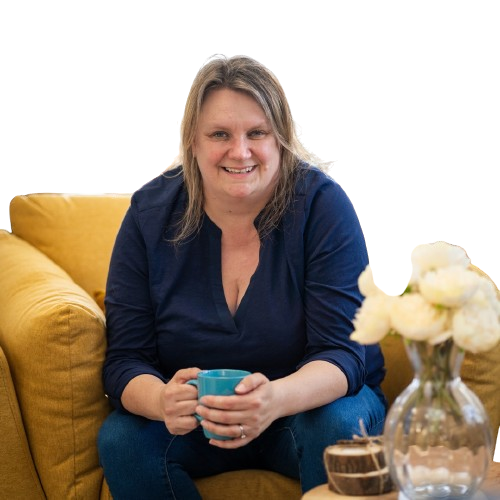
Harnessing Your ADHD Brain
Anita Davies
Join us for a seminar designed to show you that an ADHD brain is far from broken. We'll discuss how neurotypical thinking often doesn't suit our minds and explore how it feels to experience controlled ADHD. We'll discuss strategies to leverage the unique strengths of ADHD, minimising overwhelm and frustrations. This session offers valuable insights for embracing and optimising your ADHD brain.
-
Embracing Difference, Leading Change: How Scottish Autism Amplify Autistic Voices
Autistic Advisory Panel
Scottish Autism
Autistic people communicate in many different ways, but who is listening and how do we take action in response? Autistic voice, choice and right to participation are at the heart of what we do at Scottish Autism, Scotland’s leading autism charity. Join us to learn more about how we amplify autistic voice with our Autistic Advisory Panel and ensure that we embrace difference and lead change that reflects the priorities of the autistic community in Scotland and beyond.
-
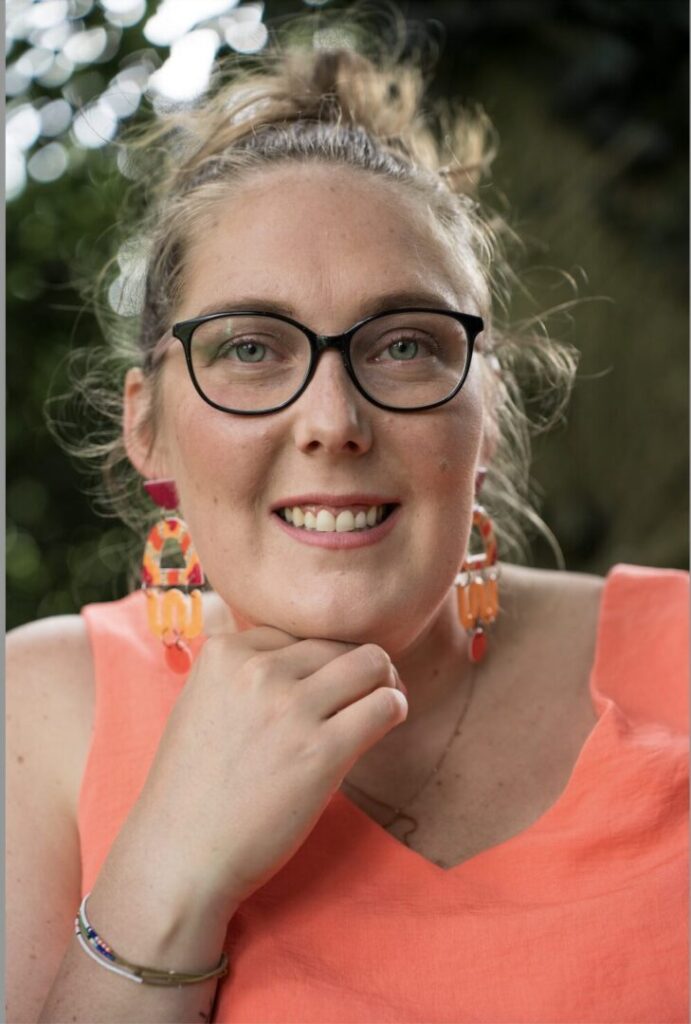
3 Step Reset
Greer Jones
The Unfinished Idea
When dysregulation hits, a child melts down, your brain blanks, or your body goes into fight, flight, or freeze. This seminar is not about fixing everything. It is about finding your footing. Greer Jones shares a simple 3-step reset you can use in real time to move from overwhelmed to steadier. You will learn how to spot early signs, downshift your nervous system, and choose a next step that protects connection, safety, and dignity. No perfect calm required, just a pathway back. Designed for parents raising neurodivergent children. You will leave with simple phrases to use and a take-home reset prompt you can screenshot.
-

Supporting Neurodiversity in Education and the Workplace
Jamie
Brain in Hand
In this seminar, we will explore who Brain in Hand is for and why it is a powerful support tool for neurodiverse individuals and those with anxiety-related challenges. We will cover how Brain in Hand helps individuals to reduce anxiety, manage overwhelm, and thrive in education, the workplace, and daily life. Brain in Hand supports with organisation, problem solving, and task initiation, enabling individuals to establish routines, manage stress, and respond confidently when plans change or unexpected situations arise. Attendees will learn about the key features, practical applications, and the positive impact it can have on building independence, improving productivity, and supporting with wellbeing.
-
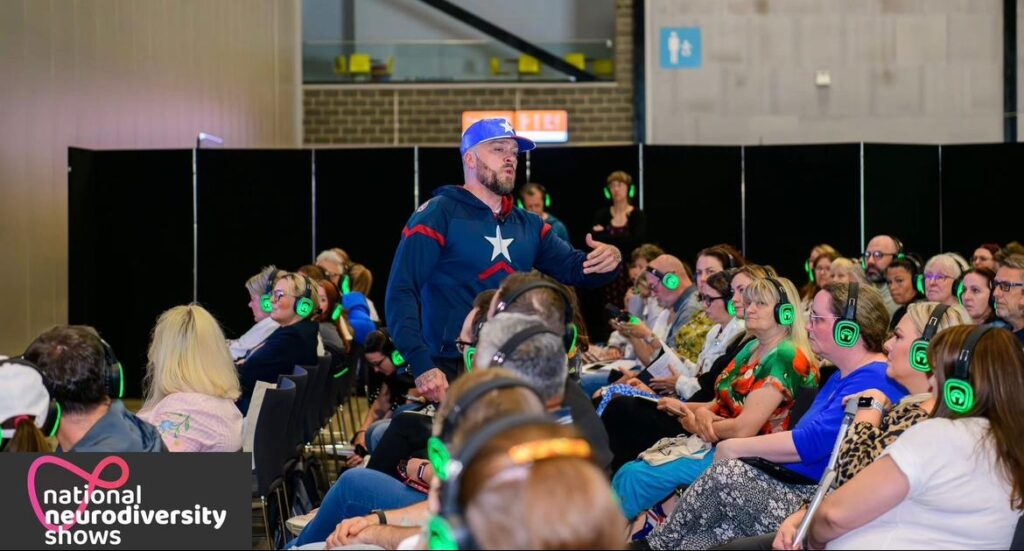
Avengers: Infinity War
Jamie Denyer
After the success of last years talks called “Assembling the avengers” Jamie Captain America Denyer is back with a new seminar called “The Avengers: Infinity war” Talking about how to use your Avengers superpowers to battle back against all the Thanos’s you face in your life. This talk gives you the belief & know how that as Neurodiverse superhero’s you really can make a change in this world, even whilst facing up to your insecurities and dealing with them like the villain’s they are. The most vulnerable and transparent talk to date.
We’ve already assembled, now it’s time to fight the infinity war for change. -
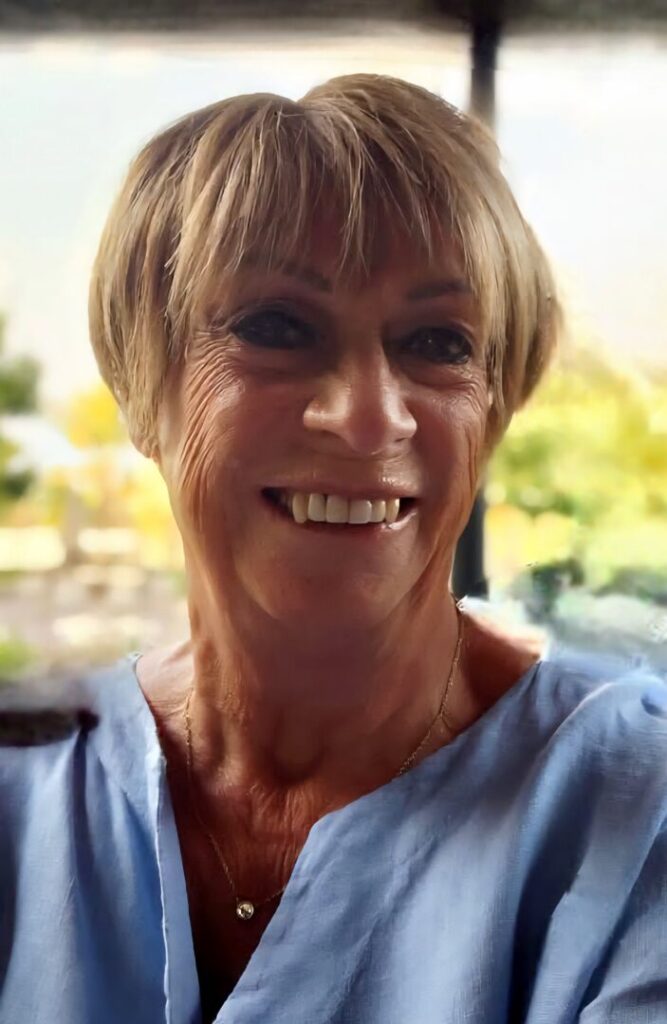
See It. Understand It. Support It. Play It. Practical Neurodiversity in Sport – Learning Through Football (and Animal Football!)
Ann Brown
Autism FA
Using football as our practical focus, this interactive seminar explores traits associated with autism, ADHD, dyslexia and dyspraxia – what they are, how they may present and practical ways to provide support. Delegates will also experience Animal Football – no dressing up required! This fun, interactive activity will get everyone thinking differently about communication, instructions and participation. We’ll move from seeing, to understanding, to supporting, sharing practical strategies that can be adapted and applied across any sport.
-

This Was Not (on) the Plan
Ina Jeffrey
Beelieva
Running your own business with a neurodivergent brain? You followed the advice. Colour-coded the plan, built the funnel, showed up daily. It worked for everyone except you and left you wondering what was wrong with you. Generic business advice assumes a brain that runs on consistency, and most neurodivergent brains don't. In this session, Ina draws on her upcoming book to name the real culprit, dismantle the self-blame that follows a plan collapsing, and share the LOVE/HATE framework for handling change you choose and change that chooses you. Practical, honest, and free of the usual "step into your power" nonsense. Expect honesty, humour, and one framework you can use on Monday morning
-

Bridging the Gap From School to Employment
Lizzie Acker
Mason Foundation
How can we better prepare neurodivergent young people for life beyond education? This seminar brings together the perspectives of schools and employers to explore the challenges many young people face when transitioning into further education, training, and employment.
Drawing on the lived experience of our neurodivergent team, alongside practical expertise, we'll share simple, effective strategies that educators and employers can implement to create smoother transitions and more inclusive opportunities. Discover how collaboration between schools and businesses can unlock potential, improve confidence, and build workplaces where everyone can thrive.
Seminar Room 3
9 seminars-
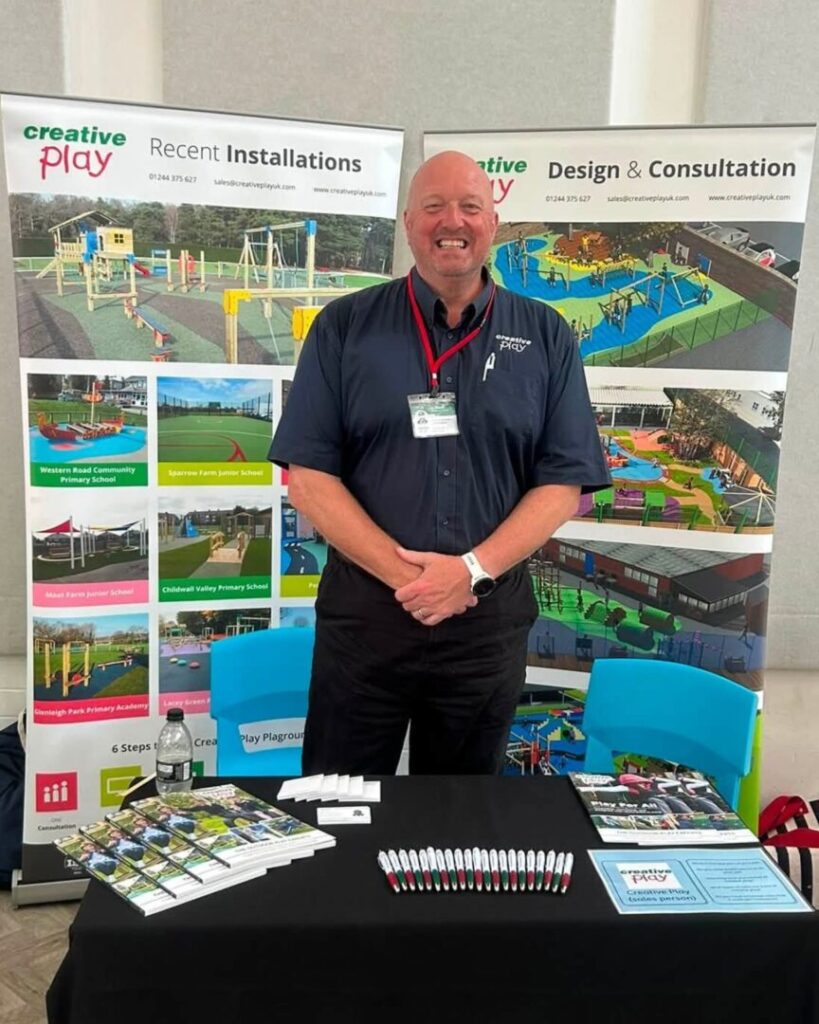
Creative Play's Journey to Inclusivity: Designing Play Spaces Where Every Child Belongs
Tim Broster
Creative Play UK
Discover how Creative Play developed its innovative Play For All range through collaboration with a leading SEN school, placing inclusivity at the heart of playground design. This seminar explores the journey from concept to creation, highlighting how listening to educators, therapists and children shaped a collection that supports meaningful play for all abilities. Featuring wheelchair-accessible ramps, sensory-rich experiences and choice-led play opportunities, the range encourages confidence, independence and imagination while promoting physical, social and cognitive development. Join us to learn how inclusive design can transform outdoor spaces, ensuring every child has the opportunity to play, explore and thrive together.
-

The hidden cost of masking in the workplace: how employers can support their neurodivergent staff.
Rebecca Wones
Pam Group
Rebecca Wones is a Chartered Occupational Psychologist with over 20 years’ experience supporting organisations to improve workplace wellbeing, performance and inclusion. She specialises in neurodiversity assessments, workplace needs assessments and training that helps employers better support neurodivergent employees. Rebecca works with leaders and teams across multiple sectors to create healthier, more inclusive working environments. Her expertise in occupational psychology and neuro-inclusion helps organisations enhance accessibility and improve workforce outcomes. This session will support employers and managers to understand masking in neurodivergent employees and how it may present and impact in work. We will look at the hidden cost of masking for neurodivergent employees through real world examples and an occupational health lens.Touching on topics such as burnout, fatigue and anxiety we will look at what can support your neurodivergent staff. Attendees will leave with practical strategies and next steps to help create environments where neurodivergent employees can thrive without expending energy on hiding who they are.
-

Building a Career with Dyslexia in a Profession Built on Paperwork and Precision
Ryan Macdonald
Ryan MacDonald is a military veteran and former Inspector with Police Scotland who built a 30-year policing career in systems defined by evidential accuracy, legal scrutiny and meticulous paperwork — all while navigating dyslexia. In this honest and practical session, Ryan shares how he rose through the ranks in a profession built on written precision, the unseen pressures of masking and overcompensating, and how dyslexia shaped his leadership strengths. He challenges organisations to rethink capability and encourages neurodivergent professionals to recognise the power in thinking differently.
-

The Autism Family Dog Workshops: A History of the Service, What We Do and Who does the Service Benefit.
Hannah Beal and Cari Miles
Dogs For Good, Family Dog Service Instructors
The Family Dog service at Dogs for Good, provides virtual workshops to parents and carers who have autistic children and want to explore the benefits a pet dog can bring to not only the autistic child or children, but also the Family as a whole. We enable the people we work with and their families to live happier, healthier, more independent lives.The workshops cover topics from how to select the right dog for the family, to basic care of the dog, interventions and specific training.
Hannah and Cari will discuss how the service started, what the workshops cover and how families are supported. -
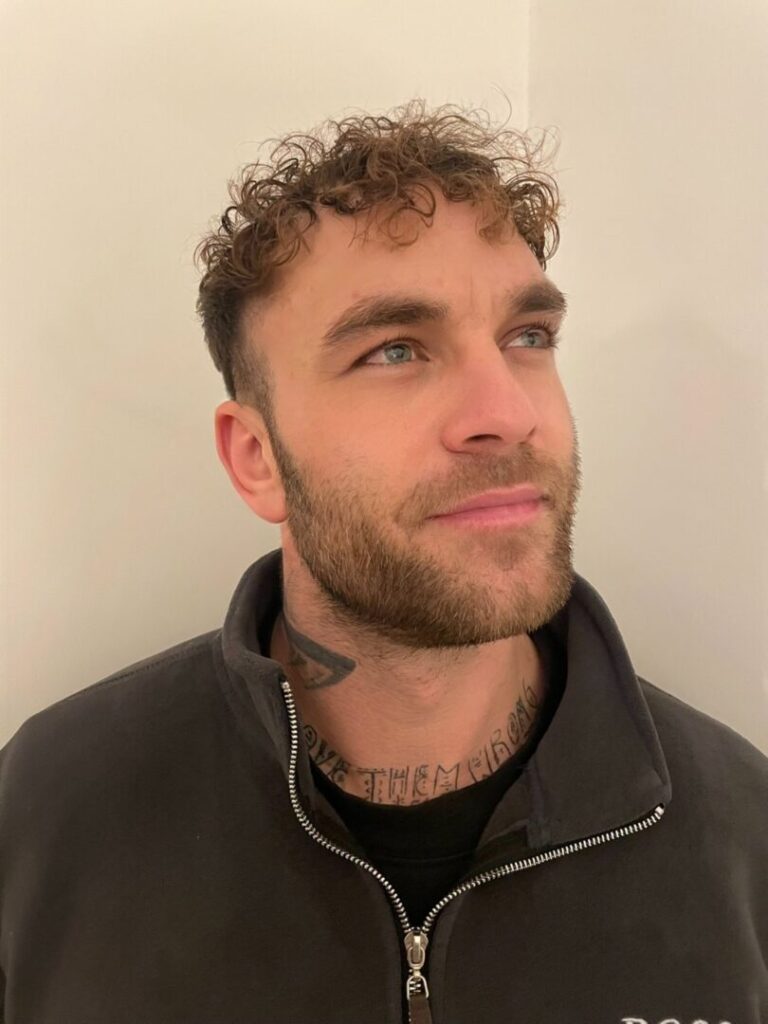
My Story
Ashley Jones
Built Different For Business
Living with ADHD and been diagnosed at the age of 6, has always meant thinking differently, which, for a long time, felt like a hurdle. School was a whirlwind of distractions, and life was a constant struggle. Bad decisions and trying to fit in, However, when I decided to start my own business 4 years ago , I realised my unique perspective was actually an asset. My creativity and energy helped me problem-solve and innovate in ways others didn’t. While organisation and life with ADHD can still be challenging, I’ve learnt to embrace routines and tools that keep me on track. Building a business as someone with ADHD isn’t easy, but it’s taught me resilience and the value of owning my differences.
-

The Internal ADHD Experience - What does it feel like to have ADHD in your school years and what helped me
Henry Muller
Henry Muller – featured in the BBC documentary Inside Our ADHD Minds, will speak about what ADHD really feels like from the inside and how small changes in adult responses can make a meaningful difference.He explores the disconnect between what people see on the outside of an ADHD child vs what that young person is experiencing on the inside.
Through vivid explanation and lived experience, he helps audiences understand how that misunderstanding can lead to shame, isolation and underperformance and how we can bridge that gap with new mindsets and strategies. -

From Written Off to Business Owner: James's Story
James Cleves
Clever VA
Diagnosed at age 3, James grew up being told his neurodivergence — dyspraxia, dyslexia, and autism — was a barrier to success. Schools wrote him off, and despite earning his university place against the odds, the job market proved just as unwelcoming. So he stopped waiting for permission and built his own path, founding a thriving virtual assistant agency to support other neurodivergent people.
What others saw as a limitation turned out to be his greatest professional asset. Join James for an honest, inspiring account of reframing neurodivergence — not as something to overcome, but as the very thing that makes you exceptional
-

Flourishing at Work: Insights from a Swedish Study on Neurodivergent Working Lives
Jessica Vannoorenberghe
University of Gävle, Sweden
What factors contribute to flourishing at work, as a neurodivergent adult, and what factors support health and wellbeing in everyday working life? This seminar draws on a qualitative Swedish research study exploring the working lives of autistic adults, with a particular focus on factors that participants themselves identify as supporting their health and wellbeing at work. Rather than focusing on deficits or individual “coping,” the study highlights how organisational practices, structure, predictability, flexibility, relationships, and meaningful work shape everyday experiences. While the study is situated within a Swedish context, the themes resonate across national and organisational settings. The seminar is relevant for neurodivergent people, employers, practitioners, researchers, and anyone interested in creating working environments that are genuinely inclusive, and that recognise and celebrate difference as a strength.
-
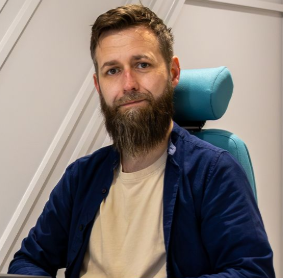
Assistive Technology & Enablement
Will Marshall
Back Care Solutions
Supporting Neurodivergent and Disabled Employees to Thrive at WorkDiscover how Back Care Solutions' Assistive Technology and Enablement Services help neurodivergent and disabled employees overcome workplace barriers and reach their full potential. This session will introduce a range of support services, including workplace assessments, assistive technology, ergonomic solutions, training, and workplace adjustments. Whether you're an employee seeking support or an organisation looking to create a more inclusive workplace, you'll gain practical insights into the tools, strategies, and services available to improve wellbeing, accessibility, confidence, and productivity.
*Details and descriptions of seminars are provided by each presenter and are subject to change.


